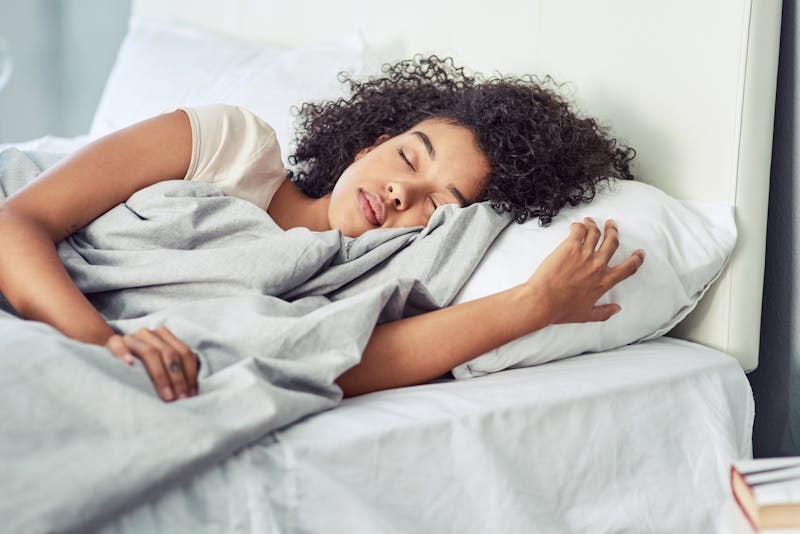
Sleep apnea affects millions of Americans, disrupting rest and impacting overall health in ways many don't realize. Dr. Julio Sixto, DMD, has spent over 25 years helping patients understand the oral health connections to conditions like sleep apnea. Our holistic philosophy recognizes that beauty, health, and balance extend beyond your teeth; they include how well you sleep and breathe.
In this blog, we'll discuss the warning signs of sleep apnea, available treatments, and practical lifestyle changes that can help you rest more easily.
What Is Sleep Apnea?
Sleep apnea is a disorder characterized by repeated interruptions in breathing during sleep. These pauses can last from a few seconds to over a minute and may occur dozens of times per hour. The most common form, obstructive sleep apnea, happens when throat muscles relax and block the airway. Central sleep apnea, though less common, occurs when the brain fails to send proper signals to breathing muscles.
According to the National Heart, Lung, and Blood Institute, an estimated 25 million American adults have obstructive sleep apnea. Many cases remain undiagnosed because symptoms occur during sleep, making self-awareness difficult without a partner or sleep study to identify the problem.
Common Symptoms of Sleep Apnea
Recognizing the signs of sleep apnea is the first step toward getting help. While loud snoring is the most well-known indicator, many other symptoms point to this condition.
- Loud, chronic snoring: Often accompanied by gasping or choking sounds during sleep.
- Excessive daytime fatigue: Feeling tired despite a full night's sleep due to fragmented rest.
- Morning headaches: Caused by oxygen deprivation and disrupted sleep cycles.
- Difficulty concentrating: Brain fog and memory problems resulting from poor sleep quality.
- Mood changes: Irritability, anxiety, or depression linked to chronic sleep deprivation.
- Dry mouth upon waking: Often caused by breathing through the mouth during sleep.
Untreated sleep apnea significantly increases the risk of accidents due to daytime drowsiness. If you or your partner notice these symptoms, seeking evaluation is essential.
How Sleep Apnea Affects Your Health
Beyond poor sleep, untreated sleep apnea carries serious health consequences. The repeated drops in blood oxygen levels strain your cardiovascular system, increasing risk for high blood pressure, heart disease, and stroke.
Your oral health suffers, too. Chronic mouth breathing dries out oral tissues, reducing saliva's protective effects and increasing risk for gum disease and tooth decay. Dr. Sixto often identifies signs of sleep apnea during routine dental exams, including teeth grinding, jaw clenching, and throat inflammation, all indicators that warrant further investigation.
Treatment Options for Sleep Apnea
Several effective treatments exist depending on the severity of your condition. Working with healthcare providers helps determine the best approach for your specific situation.
- CPAP therapy: Continuous positive airway pressure machines deliver steady air through a mask to keep airways open.
- Oral appliance therapy: Custom-fitted dental devices reposition the jaw and tongue to prevent airway collapse.
- Positional therapy: Training yourself to sleep on your side rather than your back reduces airway obstruction.
- Surgery: Procedures to remove excess tissue or reposition the jaw may help in severe cases.
- Weight management: Losing excess weight can significantly reduce or eliminate symptoms for many patients.
Oral appliances have become increasingly popular for mild to moderate sleep apnea. The American Academy of Dental Sleep Medicine recognizes these devices as an effective alternative for patients who cannot tolerate CPAP machines. Dr. Sixto can evaluate whether you're a candidate for oral appliance therapy during a consultation.
Lifestyle Tips for Managing Sleep Apnea
Treatment works best when combined with healthy lifestyle habits. Simple changes can reduce symptom severity and improve your overall sleep quality.
Maintaining a consistent sleep schedule helps regulate your body's internal clock. Going to bed and waking at the same times daily, even on weekends, promotes more restful sleep. Avoiding alcohol and sedatives before bed is equally important, as these substances relax throat muscles and worsen airway obstruction.
Regular exercise strengthens respiratory muscles and aids weight management, both of which benefit sufferers of sleep apnea. The Sleep Foundation recommends at least 30 minutes of moderate activity most days for optimal results. Sleeping on your side with your head slightly elevated can also help keep airways open throughout the night.
Trust Admira Dentistry With Your Sleep Health
Living with sleep apnea doesn't mean accepting poor sleep and declining health as your new normal. Dr. Julio Sixto brings over 25 years of dental expertise and a Fellowship in the Academy of General Dentistry to every patient consultation. His comprehensive approach identifies the oral indicators of sleep apnea that other providers might miss, connecting the dots between your nighttime breathing and daytime symptoms.
Our team takes time to understand your unique situation, discuss treatment options, and create personalized solutions that fit your lifestyle. Whether you need a custom oral appliance or guidance on lifestyle modifications, we provide compassionate, evidence-based care in both English and Spanish.
Don't let sleep apnea compromise your health and quality of life any longer. Schedule a consultation with Dr. Sixto today to explore how we can help you breathe easier and sleep better.